A Smarter IBS Playbook for Exhibitors and Attendees
Attention is the currency at IBS. Here’s how to earn It.
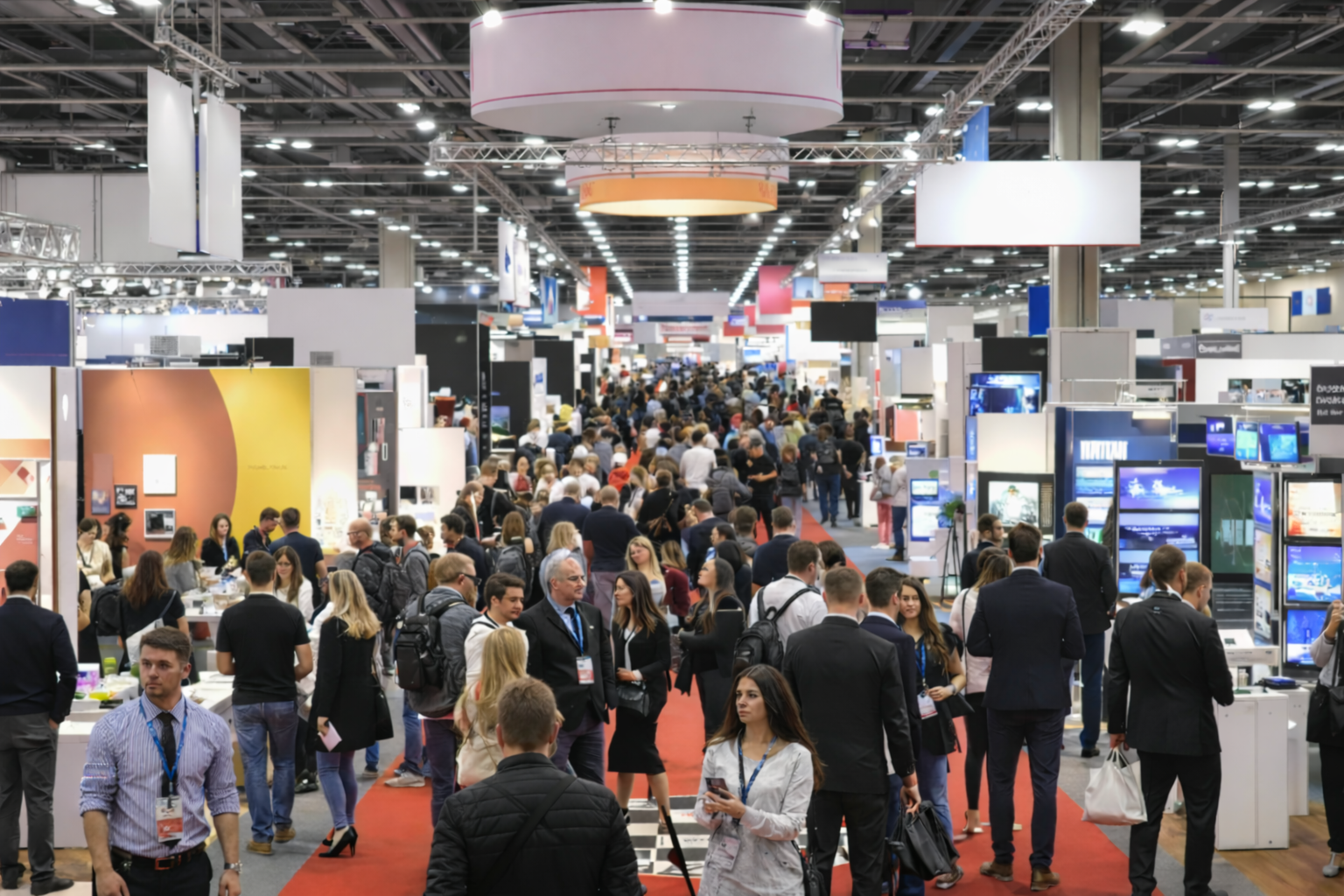
The International Builders’ Show (IBS) isn’t just another industry event. With tens of thousands of builders, contractors, architects, manufacturers, and distributors under one roof, IBS is one of the few moments in the year where the entire building ecosystem shows up at once.
That makes it a proving ground.
For brands, IBS is where positioning gets pressure-tested in real time. For attendees, it’s where claims meet reality. And yet, many companies still treat the show like a box to check. Show up. Scan badges. Tear down. Move on.
The brands that get real value from IBS treat it as a campaign, not a calendar entry.
Below is a practical, no-fluff guide to preparing for IBS from both sides of the floor: as an exhibitor and as an attendee. What to do before, during, and after the show so the investment actually makes sense.
If You’re Exhibiting at IBS: How to Turn Foot Traffic Into Business Impact
Before the Show: Strategy First, Booth Second
At IBS, scale works against unfocused brands. With thousands of booths competing for attention, clarity matters more than size, spend, or spectacle.
Before you design anything, get clear on three things:
• Who exactly are you trying to reach at IBS? Builders, remodelers, architects, distributors, dealers, or all of the above?
• What do you want them to think, feel, or do differently after meeting you?
• How does IBS fit into your broader sales, channel, and launch strategy for the year?
IBS works best when it ladders up to a specific business objective. That might be driving spec consideration with builders, supporting a new product launch, accelerating distributor conversations, or giving sales teams air cover with existing accounts. Trying to do everything usually means blending into the background.
Once the goal is clear, pressure-test your messaging for the reality of the show floor. If someone only spends two minutes in your booth, can they immediately understand what you do, where you fit, and why you’re worth another conversation?
Smart IBS-specific pre-show moves:
• Align sales, marketing, and leadership on one clear IBS goal and a tight set of talking points
• Pre-book meetings with key builders, partners, and media who will already be onsite
• Train booth staff on audience differences. A custom builder conversation is not the same as a dealer or distributor conversation
• Promote your presence ahead of time through targeted email, sales outreach, and social, not just a generic “see us at IBS” post
The strongest IBS booths don’t rely on aisle traffic alone. They arrive with intent and a reason for people to seek them out.
At the Show: Earn the Conversation
IBS is loud, crowded, and overwhelming by design. Attention is the scarcest resource on the floor.
Every exhibitor thinks they’re interesting. Attendees are deciding, in seconds, who actually is.
Hype might earn a glance. Clarity earns a conversation. But at IBS, the brands that win understand they need deliberate stopping power to get either.
When you’re surrounded by category leaders, standing out requires more than clever copy or a flashy structure. Your booth needs a clear, immediate signal that says, this is worth your time.
That stopping power should be intentional and repeatable. Something your team can deliver consistently, whether that’s a hands-on demo that proves time saved, an install walkthrough that removes risk, a smart giveaway that lives your value prop, or a side-by-side comparison that makes your value obvious without explanation.
If it takes more than a few seconds to understand why someone should stop, you’ve already lost them to the booth next door.
Just as important as gaining that attention is the human factor at your display. Your booth team should know:
• Who they’re talking to and why that person is at IBS
• What questions uncover real jobsite, business, or spec challenges
• When to listen, when to probe, and when to stop pitching
IBS attendees are experienced. Many have seen every version of a product claim. The goal isn’t a polished monologue. It’s to diagnose what matters to the person in front of you and connect your solution to their reality.
And yes, collect leads. But prioritize quality over volume. A handful of conversations with clear context beats hundreds of badge scans with no insight into intent.
After the Show: Where IBS ROI Is Actually Made
IBS doesn’t end when the floor closes. This is where most strategies quietly fall apart.
If follow-up is slow, generic, or disconnected from the conversation that happened in the booth, the opportunity fades fast.
Within days, not weeks, you should be:
• Segmenting leads by role, urgency, and buying influence
• Personalizing follow-up based on what was discussed on the floor
• Looping sales into next steps while the interaction is still fresh
Internally, debrief quickly. What questions came up repeatedly? What objections surprised you? What products or messages pulled people in?
Those insights are some of the most honest market feedback you’ll get all year. They should inform content, sales enablement, channel strategy, and even product decisions.
If You’re Attending IBS: How to Get More Than Free Swag
Before the Show: Go in With a Point of View
IBS is too big to wander aimlessly. Without a plan, it’s easy to leave exhausted with very little to show for it.
Before you arrive:
• Identify the biggest problems you’re trying to solve this year, whether that’s labor, installation time, sustainability, margin pressure, or differentiation
• Shortlist booths, sessions, and people aligned to those priorities
• Book meetings ahead of time when possible. IBS calendars fill fast
One of IBS’s biggest advantages is density. You can compare solutions, approaches, and philosophies side-by-side in a way that’s impossible the rest of the year. Use that access intentionally.
At the Show: Pressure-Test What You’re Hearing
The value of IBS isn’t in collecting brochures. It’s in separating signal from noise.
Use the floor to dig deeper:
• Ask how products perform on real jobsites, not just in ideal conditions
• Get curious about install time, training requirements, and field support
• Look for proof, not just polished claims
• Pay attention to patterns. If multiple manufacturers are talking about the same challenges, that’s a strong signal about where the category is headed
And don’t underestimate the conversations outside the booth. Hallway chats, education sessions, and peer discussions often surface the most candid insights about what’s actually working.
After the Show: Turn Insight Into Direction
Once you’re home, resist the urge to immediately move on.
Take time to:
• Summarize key takeaways and emerging themes
• Share insights with your broader team while they’re still fresh
• Follow up with the brands and people worth continuing the conversation
IBS shouldn’t just influence what you buy next. It should shape how you think about partners, priorities, and where your business needs to evolve.
The Bottom Line
IBS rewards preparation and punishes autopilot.
Whether you’re exhibiting or attending, the brands and teams that see real value are the ones who treat the show as part of a larger strategy, not a standalone moment.
Done right, IBS doesn’t just generate leads or inspiration. It builds trust, sharpens positioning, and brings clarity to a noisy market.
That’s the real return on showing up.
More Blog & Insights
 " alt="" loading="lazy" role="presentation" />
Insights
AI and Insights: It’s Time to Rethink How Decisions Are Made
AI accelerates pattern detection. Advantage comes from how decisions are owned and acted on.
Read more " alt="" loading="lazy" role="presentation" />
Data & Measurement
Leading Through Change in 2026: Marketing in a Disrupted World
Here's how leaders create advantage.
Read more " alt="" loading="lazy" role="presentation" />
Automotive
The Next Era of the Automotive Aftermarket: 6 Shifts Reshaping the Industry
New forces are reshaping the automotive aftermarket, from predictive diagnostics to EV adoption and shifting digital purchasing behaviour.
Read moreNever miss another blog post
Want to sign up for updates, announcements, offers and promotions from Jan Kelley? Simply fill in the form below and we’ll keep you up to date. You may later withdraw your consent at any time. Check out our Privacy Policy.