It’s Time to End the Brand vs. Performance Debate (For Good)
When did marketing become a battle of brand versus performance?

On one side: long-term storytelling, emotional connections, and brand equity. On the other: short-term results, ROI dashboards, and conversion rates. And for too long, we’ve asked marketing leaders to pick a side.
But here’s the reality: that divide is no longer just outdated — it’s actively costing companies growth.
At Jan Kelley, we call this perspective Humanology — the art and science of putting human insights at the centre of marketing strategy, supported by data, technology, and AI-enabled performance. It’s about recognizing that brand and performance are not competing forces, but complementary ones that, when integrated, unlock scalable, sustainable growth.
According to Nielsen, integrating upper- and lower-funnel strategies can improve marketing effectiveness by up to 45%. That’s not a tweak. That’s a game-changing shift in performance. And yet, many marketing organizations still treat brand and performance as competing priorities.
So let’s state it plainly: the marketers who win in the next decade won’t be the ones who build the strongest brand or drive the best performance. They’ll be the ones who integrate both into a single, unified system.
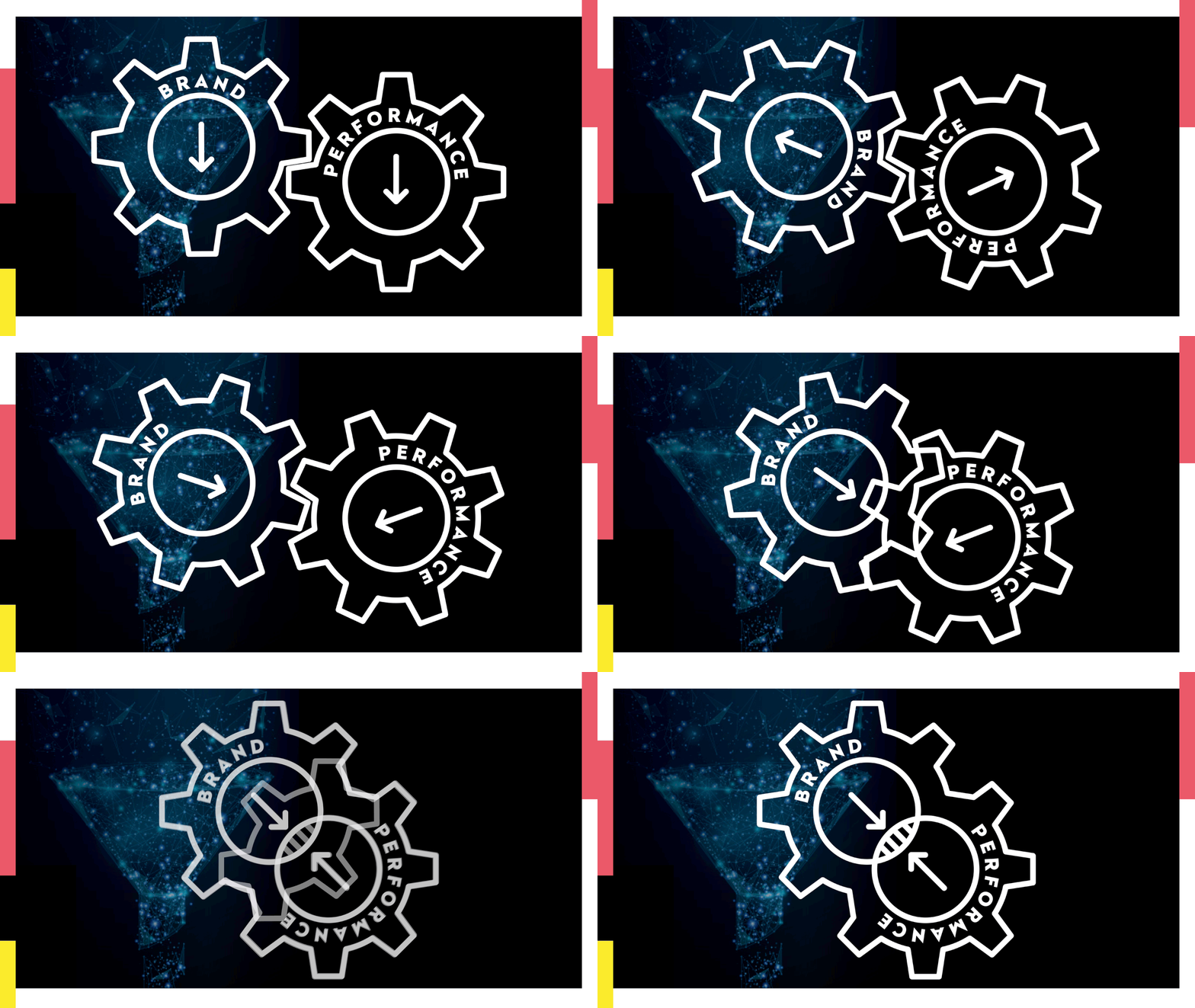
The Platform Shift Demands a Mindset Shift
Five years ago, it still made some sense to divide brand and performance marketing. You had brand campaigns running on connected TV and YouTube for awareness, while performance lived in PPC ads and email campaigns aimed at conversion. But that line is officially erased.
Today’s media ecosystem no longer supports this separation. Platforms now blend storytelling and commerce in a single scroll. TikTok videos build brand equity and drive traffic in the same swipe. YouTube pre-roll can both increase brand lift and generate a click. This isn’t just a platform evolution — it’s a Humanology moment.
Today’s consumers expect seamless experiences that speak to both their emotions and their intent. Successful marketers are shifting mindset and media to reflect how real people actually move through digital ecosystems — fluidly, not in silos.
A new customer journey framework (developed by Boston Consulting Group) is now based on four key digital media behaviours: streaming, scrolling, searching and shopping.
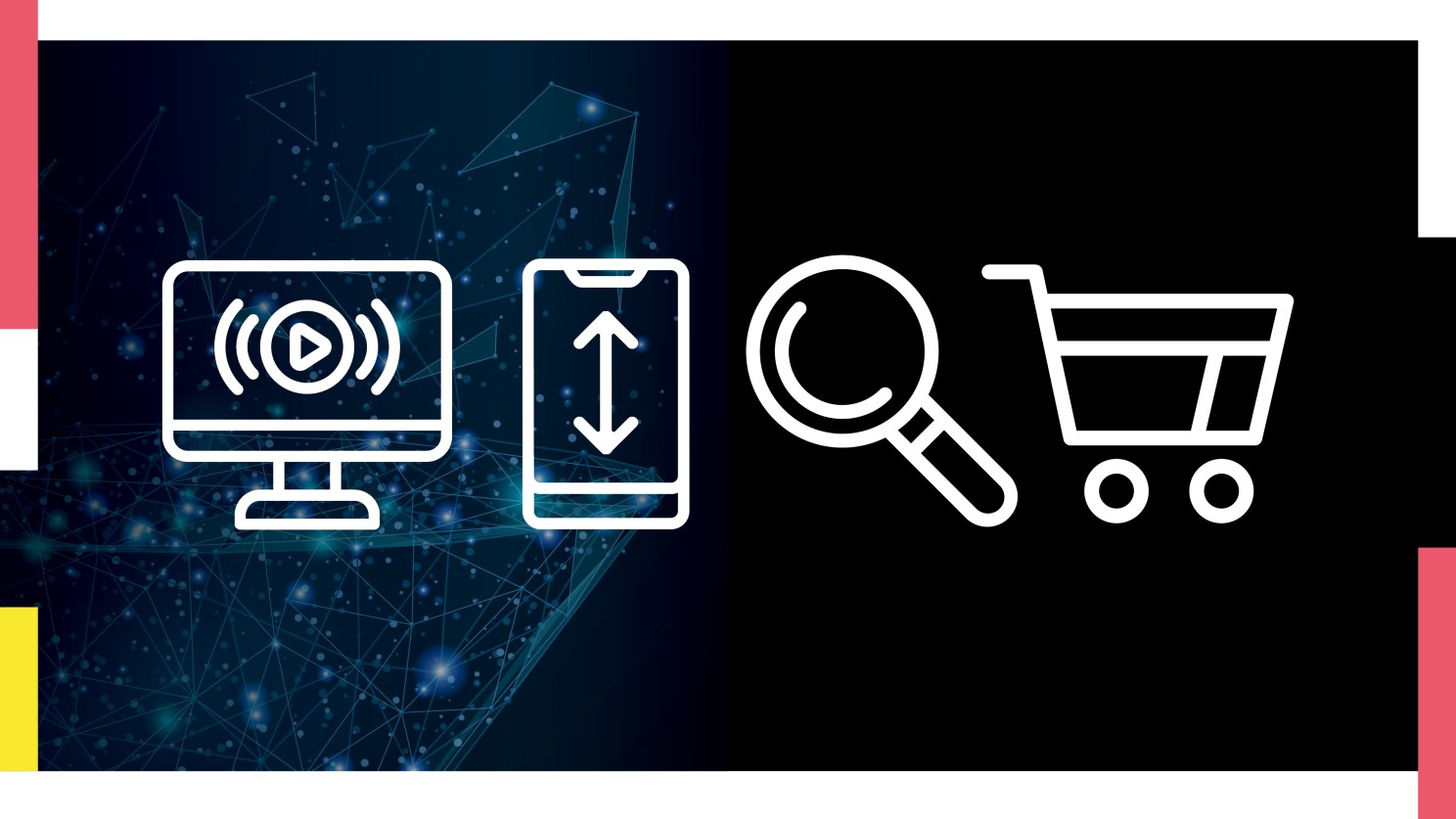
Customers don’t separate their journey into brand and performance. So why should we?
The Business Case for Integration
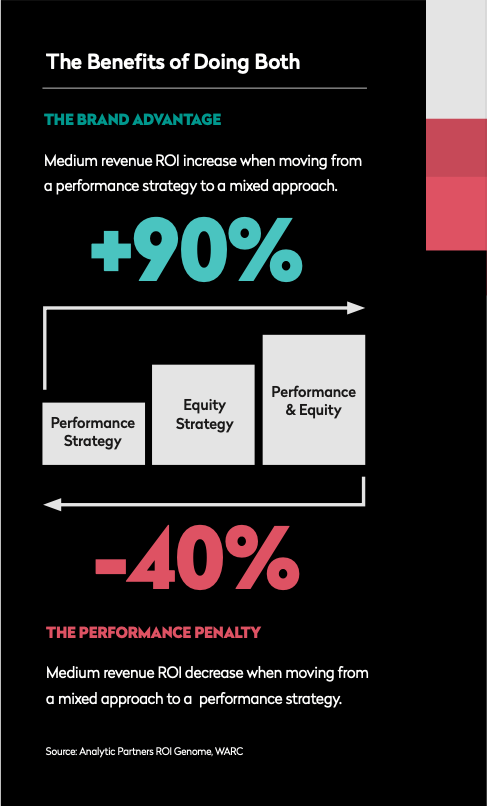
The case for full-funnel integration goes beyond theory. A recent WARC report found that companies that increased focus on brand building after years of performance-first strategies saw a 90%+ ROI lift. These results underscore a key Humanology principle: campaigns perform best when built with both logic and empathy. Growth comes from understanding people (not just their clicks but their motivations ) and designing marketing that meets them there. Conversely, shifting away from an integrated strategy and back toward performance-only reduced ROI by 40%.
You don’t need more proof. You need a new playbook.
At Jan Kelley, we’ve seen this firsthand. One of our clients, a digital-first financial institution, moved from siloed tactics to a full-funnel strategy that balanced awareness-building with conversion-focused media. The results? A 69% increase in brand recognition and a 7.3% lift in conversions — all in the same campaign.
This is what it looks like when you stop choosing.
Where to Start: Full-Funnel Marketing in Practice
Shifting from siloed strategies to an integrated approach takes more than a campaign brief. It takes alignment at the leadership level. It takes shared KPIs. And it takes a creative and media strategy built from the ground up to do both.
Here are three keys:
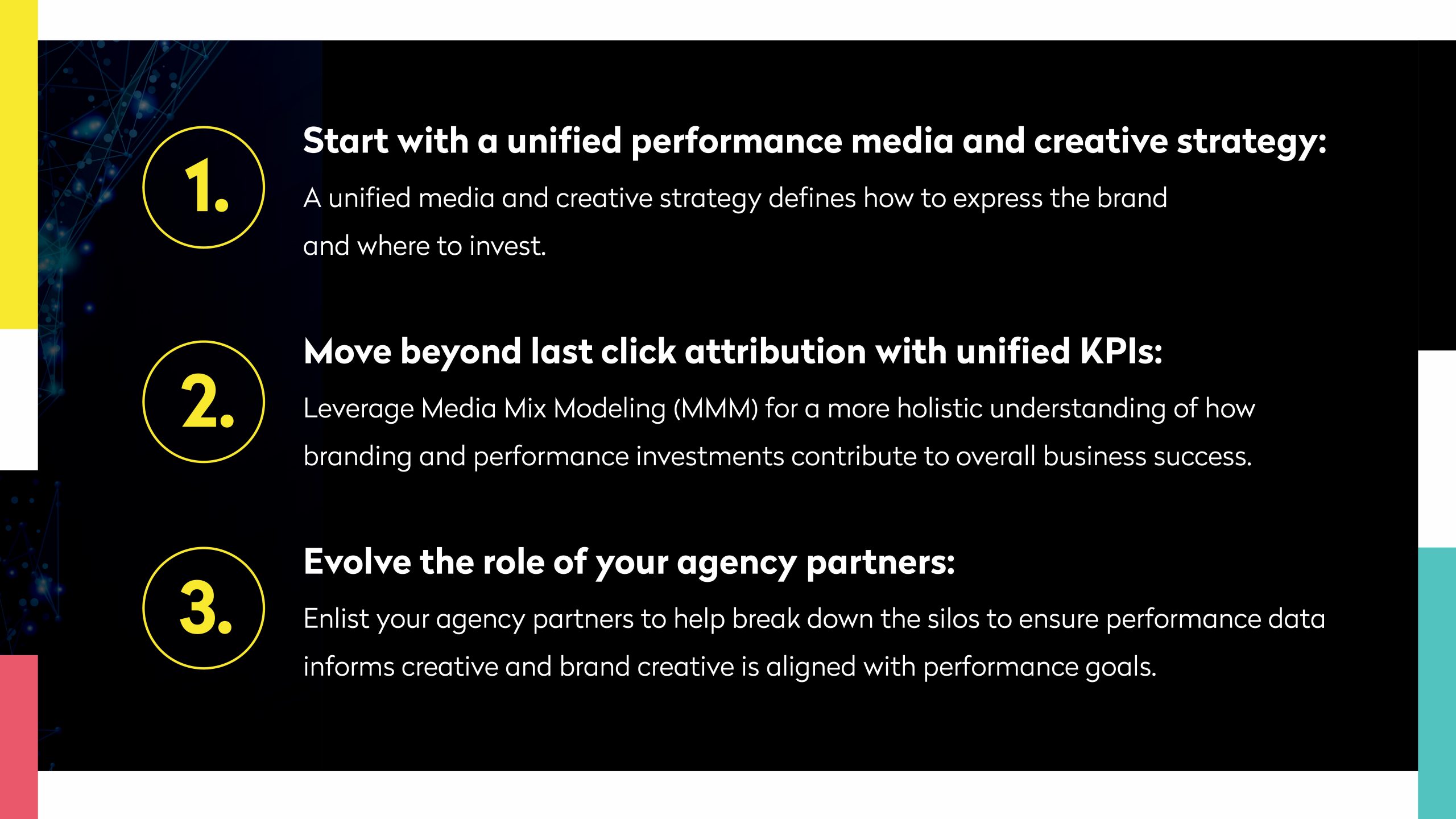
#1. Start with a unified performance media and creative strategy:
A unified media and creative strategy defines how to express the brand and where to invest. Apply a Humanology lens by starting with insight into real human behaviour. Ask: what emotional or functional need are we solving? Then align brand expression and performance tactics accordingly.
#2. Move beyond last click attribution with unified KPIs:
Leverage Media Mix Modeling (MMM) for a more holistic understanding of how branding and performance investments contribute to overall business success.
#3. Evolve the role of your agency partners:
Enlist your agency partners to help break down the silos to ensure performance data informs creative and brand creative is aligned with performance goals.
The future of marketing isn’t brand or performance. It’s brand and performance, working in harmony, to deliver scalable, sustainable growth. It’s Humanology in action – where brand and performance aren’t opposing forces, but co-pilots.
By putting people at the centre and aligning creativity with measurable outcomes, marketers unlock the full potential of both.
More Blog & Insights
 " alt="" loading="lazy" role="presentation" />
Building Materials
How to Keep Product Marketing Momentum Alive
Discover post-launch marketing strategies to keep momentum and drive growth.
Read more " alt="" loading="lazy" role="presentation" />
Automotive
Great Expectations & Opportunities
Blending creativity & technology is a must for leaders to achieve success in modern marketing.
Read more " alt="" loading="lazy" role="presentation" />
Insights
From Discovery to Always-On: Rethinking the Role of a Consumer Insights Agency
Research has a shelf life. A modern Customer Insights Agency builds living, real-time systems that evolve alongside your audience.
Read moreNever miss another blog post
Want to sign up for updates, announcements, offers and promotions from Jan Kelley? Simply fill in the form below and we’ll keep you up to date. You may later withdraw your consent at any time. Check out our Privacy Policy.