Are you just planning for the sake of it? Learn how building materials marketers can transform annual planning into a real business driver by ditching four common myths.
Breaking the Myths of Annual Planning: A Smarter Way to Drive Growth

If your annual planning feels more like a ritual than a strategic exercise, you’re not alone.
Across the building materials industry, many marketers enter the planning season with the same playbook they used last year. This could mean adjusting tactics here and there but never fully stepping back to evaluate whether the plan is built for the market now.
Sound familiar? Then you may be falling victim to some of the most common myths that stall planning, stifle innovation, and limit your ability to lead growth from the marketing seat.
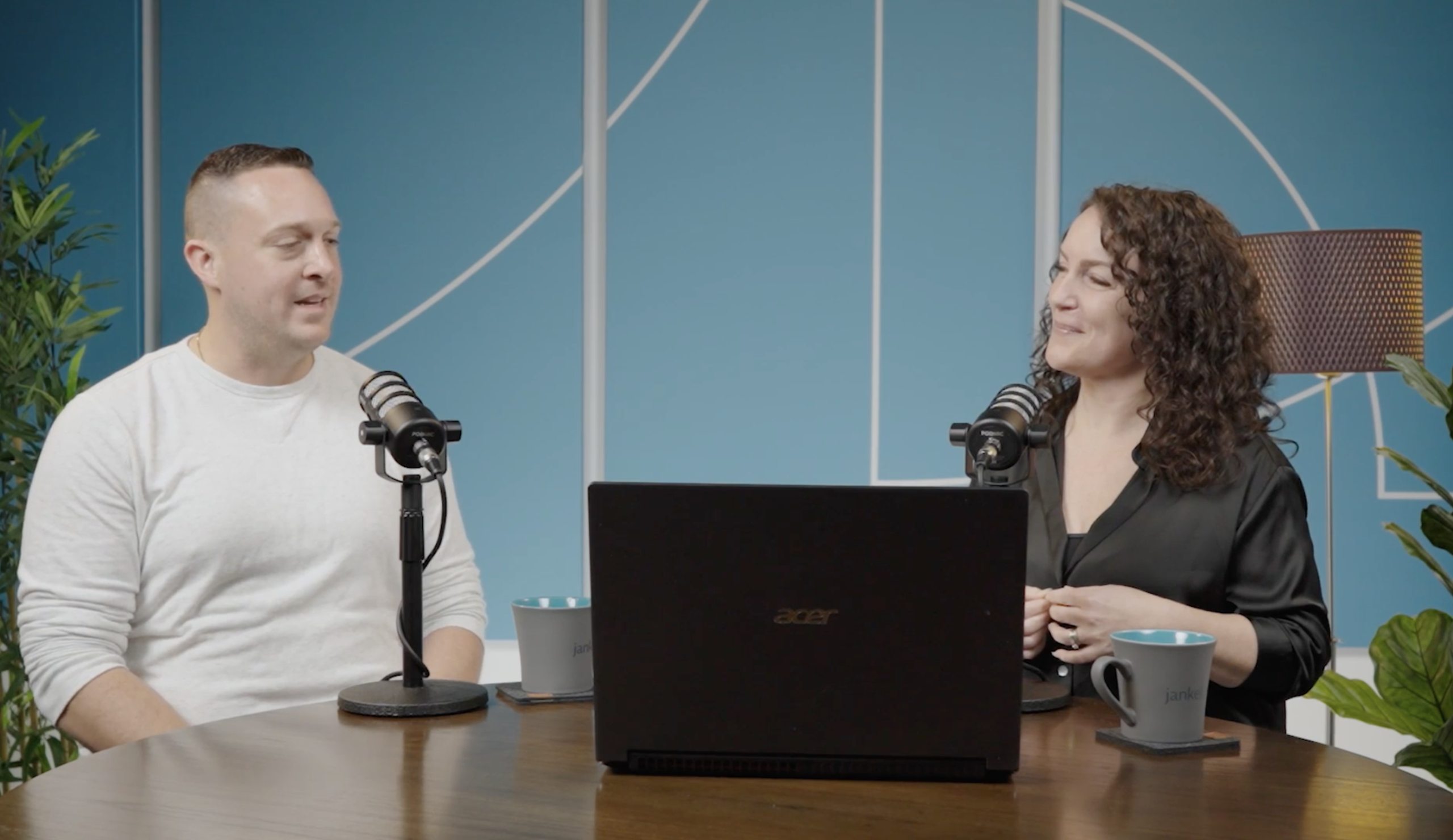
In this episode of Constructive Insights, host Jen Candlish teams up with Kamila Karwowski, VP of Strategy, to challenge five outdated beliefs about annual planning. With experience guiding brands across the channel-driven world of building materials, Kamila brings a sharp, strategic lens to what great planning looks like in practice, and how marketers can lead the charge.
What You’ll Learn in This Episode:
- Why your marketing calendar should not be mistaken for a strategic plan
- How to prioritize budget allocation based on business impact (not fairness)
- Ways to keep your plan flexible and responsive in an ever-changing market
- How to get buy-in and alignment from cross-functional teams
- What metrics to track when traditional sales attribution doesn’t apply
Why This Matters More Than Ever
Leaning on what we know and what we’re used to, like what we did last year, feels comfortable. It’s familiar and it’s risk-adverse.
But in a changing market—with cost fluctuations, competitive pressure, and evolving customer expectations—comfortable doesn’t cut it. The brands that are growing are the ones using planning season to get focused, aligned, and a little more bold.
Myth #1: A plan is a calendar of activities
When most teams talk about “the plan,” they’re often referring to a campaign calendar. And while it’s important to know what you’re doing when, a list of deliverables is not a strategy.
“A true plan is built around business goals, not just marketing activity.” – Kamila Karwowski
At JKBuild, planning starts with strategic alignment workshops that bring together cross-functional teams: sales, product, operations, and leadership. Why? Because you need to understand the business context first:
- What is the organization trying to achieve in the next 12-36 months?
- Where do we see growth coming from?
- What shifts are happening in the market, supply chain, or policy landscape?
Only once those questions are answered can marketing begin to identify the right channels, campaigns, and tactics to support those objectives. Ultimately, plans need to be rooted in strategy and answering the needs of your business, not doing more within the calendar year than we did the year before.
With that, it’s also important to consider how your budget allotments align with your business goals.
For businesses who have different products, brands or categories they serve, we find it’s common to fall into the classic “fairness”. Leaders want to give every business unit equal visibility and spend.
But in reality, each brand contributes differently to growth. Some are mature, some are emerging. Some serve high-growth markets; others are in maintenance mode.
“Not every brand is going to drive the same impact—and your budget should reflect that.”
What to do instead: Prioritize. Invest where the business is betting big. And if needed, bring finance into the conversation to help make the case.
Myth #2: Planning is a one-and-done exercise
Most organizations build a plan, share it in a deck, and revisit it next year, if ever.
That static approach simply doesn’t work anymore.
With changing material costs, supply issues, regulatory updates, and customer behaviors, your plan needs to evolve just like your market does.
Here’s how to keep it alive:
- Monthly reporting: Use it to zoom in on performance. Are your campaigns driving the expected engagement? Are you seeing early indicators of success?
- Quarterly business reviews: Use them to zoom out. Has the business shifted direction? Are there emerging opportunities or risks to account for?
“If your plan looks the same in December as it did in January, you might be doing it wrong.”
Remember: Great plans are flexible. They should act like a GPS, recalculating when roadblocks pop up or opportunities arise.
Myth #3: Planning is only marketing’s job
When the marketing team plans in isolation, execution becomes fractured and buy-in disappears. And worse? It reinforces the outdated view of marketing as a support function.
Great planning brings in voices from across the organization:
- Sales, who understand buyer objections and on-the-ground behaviors
- Product, who know what’s launching, what’s changing, and what’s next
- Customer experience, who hear firsthand what clients need more of
This collaboration not only strengthens the plan, it ensures execution, measurement, and momentum.
Bonus: This approach also helps to build shared accountability for goals, helping teams work better together throughout the year to reach the same finish line.
Myth #4: We can’t measure success in this industry
Channel complexity. Distributor relationships. Limited CRM visibility. These are real challenges in building materials marketing, but they shouldn’t be used as excuses to skip measurement. And when we talk about measurement it’s not just about looking at how tactics are working, for example how many email opens you have or impressions you gained, it’s about understanding how marketing efforts contributed to the overall business goals.
Kamila advises teams to get clear on two things:
- What business outcomes are we trying to affect?
- What can we realistically track that points to progress?
Even if you can’t measure direct sales, it’s time to start to think about what you can measure to help align better attribution. For example:
- Dealer program participation
- Specification rates
- Share of shelf
- Engagement with sales enablement content
- ABM program performance
When attribution is tricky: Start small. Run pilot programs where you can measure end-to-end results. Or partner closely with sales to track lead quality and progression where it makes sense for your business.
Above all: align on what success looks like from the start. That’s how marketing earns credibility and a stronger seat at the business table.
Final Word: Don’t Just Plan. Lead.
Planning is not about building a prettier spreadsheet. It’s about:
- Making smart, aligned choices
- Saying yes to what drives growth
- Saying no to what doesn’t, even if you’ve done it for years
- Empowering your team to focus on what matters most
“If we stop treating planning like paperwork and start treating it like our strategy engine, we shift from being marketing order-takers to being business growth leaders.”
Let this year be the year you break the cycle. Ditch the myths. Build with intention. And use your plan to lead from the front.
Want help building a smarter plan?
Let’s talk. JKBuild helps building materials brands align around strategy, drive impact, and prove marketing’s role in business success.
More Webinars

The New Rules of AI-Driven Marketing
AI isn’t just accelerating marketing. It’s fundamentally changing how we make decisions, understand customers and bring ideas to market.
The Art of Data: How Performance Media Drives Measurable Results
In this episode of Humanology on Air, Jan Kelley’s Director of Media Strategy, Terri Cameron, sits down with our Senior Director of Digital Performance, Travis MacDougall, to uncover the real power behind performance media.

Lead Generation in B2B Marketing - Is this all there is?
For the last several years, marketers – especially in B2B – have used lead generation to sell our value internally. No longer a cost centre, we proved we can be revenue-generating assets to any business. Congratulations to us. But now, as we lie in the bed we made, some of us are having second thoughts.
Never miss a Webinar
Want to sign up for updates, announcements, offers and promotions from Jan Kelley? Simply fill in the form below and we’ll keep you up to date. You may later withdraw your consent at any time. Check out our Privacy Policy.