In 2026, disruption is constant. Learn how marketing leaders can create clarity, build adaptive cultures, and scale AI while staying human-led.
Leading Through Change: Marketing in a Disrupted World
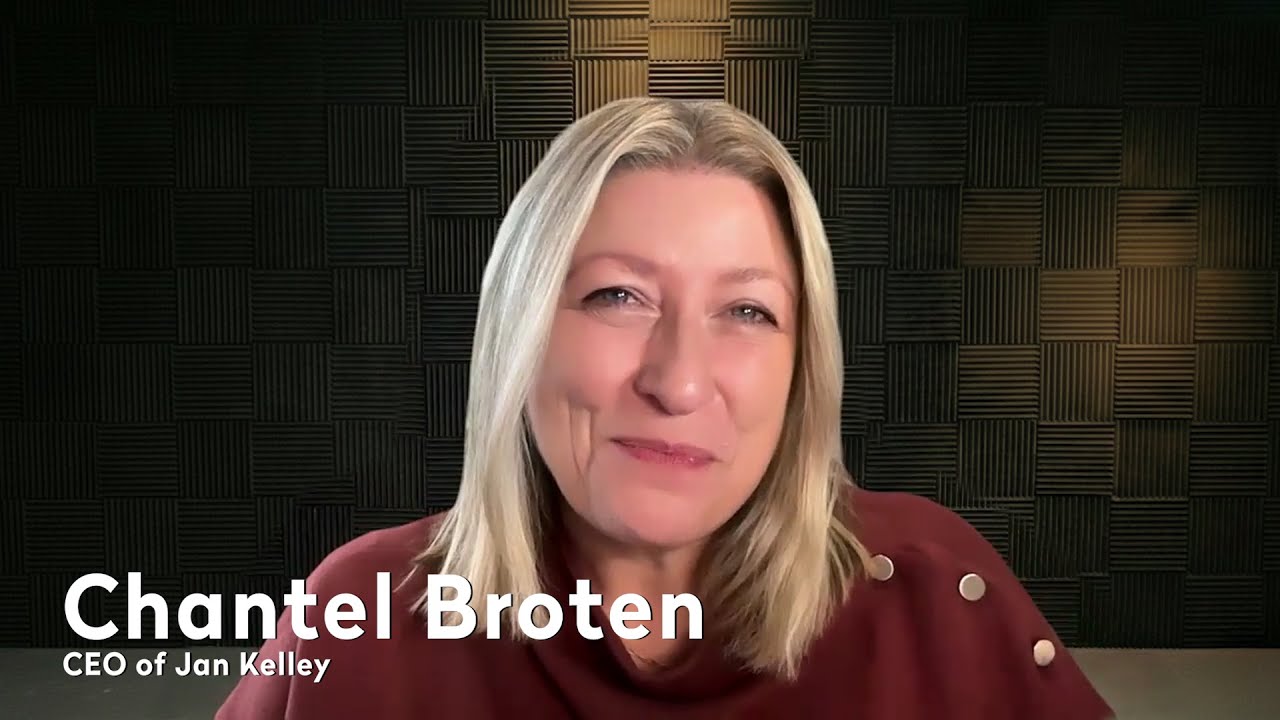
2026 is not arriving quietly.
Economic pressure is mounting. Technology is accelerating at warp speed. And customers have officially abandoned the neat, linear buyer journey, replacing it with something far more dynamic, nonlinear, and unpredictable. They loop, pause, jump channels, and arrive halfway through decisions already formed.
For marketing leaders, this moment might feel chaotic. But disruption creates opportunity. When things get noisy, the leaders who can create clarity, direction, and momentum are the ones who pull ahead.
So what does it really take to lead marketing teams through constant change?
Here are five forces that will define successful marketing organizations in 2026 and beyond.
Clarity: The Leadership Advantage That Matters Most
If there’s one thing teams are craving right now, it’s clarity.
When everything is in flux, knowing what actually matters is still a leadership responsibility. Clarity isn’t about a perfectly polished vision deck. It’s about answering practical, grounding questions every team needs:
- What matters most to our customers right now?
- What are our real growth priorities?
- What are we explicitly saying no to?
- How do we make decisions without everything climbing an approval ladder?
When clarity is missing, teams slow down. Alignment fractures. Confidence erodes. But when clarity is present, execution accelerates. Teams move faster because they know why they’re moving and where they’re headed.
AI can support insight, but clarity is not a technology output. It’s a leadership function.
Culture: Thriving Under Pressure, Not Freezing
Disruption has a way of exposing culture.
Over the last few years, we’ve seen some teams grow quiet and cautious, retreating into silos and playing it safe. Others leaned into curiosity. They collaborated more. They experimented. They learned faster.
Those teams won.
Modern marketing isn’t a collection of isolated functions. Creative, media, insights, CX and analytics are deeply interconnected. A culture that supports collaboration, adaptability, and learning is foundational.
Perfection doesn’t win in this environment. Adaptability does.
Strategy: From Plan Keeper to Insight Orchestrator
Speed is just busy work without direction; it’s meaningless.
This is where the role of marketing leadership is shifting. The edge is less about being the keeper of the plan, and more about becoming the orchestrator of insights, the leader who turns fragmented data into coherent direction.
AI can accelerate analysis. But meaning, judgment, and narrative still come from humans. Strategy in a disrupted world is continuously shaped by insight.
Systems Thinking: Building Organizations That Learn Faster
High-performing organizations don’t win because they have the most tools. They win because they have connected systems and tight learning loops.
The real advantage comes from linking:
- Customer insight
- Creative and media performance
- CX signals
- Analytics
- Product and sales feedback
When those loops are connected, the organization learns faster than the competition.
There’s an important caution here: AI can sometimes mask deeper issues. It can look impressive while hiding fragmented systems underneath. Technology alone doesn’t create advantage; integration does.
Scale: Staying Human-Led in an AI-Powered World
AI is everywhere. Access is no longer the differentiator. What matters now is how teams use it.
Scaling AI responsibly means moving beyond basic literacy. It requires real capability:
- Practitioners applying AI daily
- Super-users automating workflows
- Builders creating internal advantage
When AI takes on mechanical load, people can focus on what actually moves brands forward: judgment, creativity, customer understanding and storytelling.
The future isn’t human or machine. It’s human-led, machine-enabled.
What Will Differentiate Marketing Teams in 2026?
When we zoom out, the answer becomes clear: The teams that win are led by people who:
- Cut through noise to create clarity
- Make bold strategic choices while increasing velocity
- Blend human intuition with machine intelligence
- Build systems that learn faster
- Develop cultures that thrive under constant change
That’s the essence of Humanology.
Our encouragement for the year ahead:
Lead with clarity.
Operate with agility.
Build with Humanology.
Your team (and your results) will follow.
More Webinars

E-Commerce in Building Materials: Strategies for Success
From Brick-and-Mortar to Click-and-Order: E?Commerce Strategies for Building Material Brands. Learn how to optimize digital sales, enhance customer experience, and drive growth in the evolving online marketplace.
Preparing for the Future of AI-Driven Search
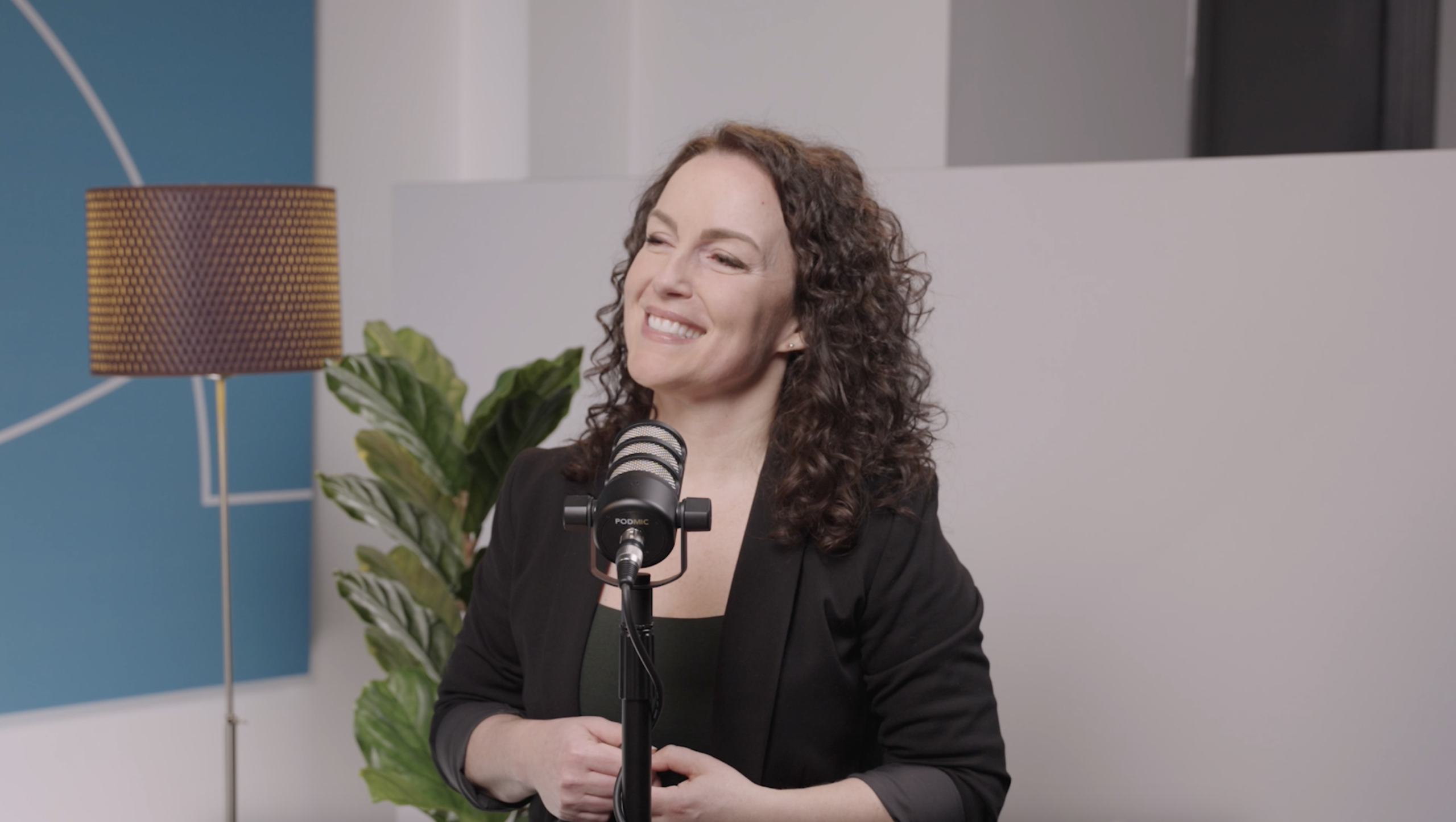
In the latest episode of Humanology on Air, Terri Cameron chats with Travis McDougall and Chelsea Craig about how AI is changing how marketers look at paid and organic search to keep them from falling behind competitors.
Leading Through Change: Marketing in a Disrupted World
In 2026, disruption is constant. Learn how marketing leaders can create clarity, build adaptive cultures, and scale AI while staying human-led.
Never miss a Webinar
Want to sign up for updates, announcements, offers and promotions from Jan Kelley? Simply fill in the form below and we’ll keep you up to date. You may later withdraw your consent at any time. Check out our Privacy Policy.