AI isn’t just accelerating marketing. It’s fundamentally changing how we make decisions, understand customers and bring ideas to market.
The New Rules of AI-Driven Marketing
Stop Optimizing the Past: How AI Is Rewriting the Rules of Marketing
For years, marketing has largely operated on hindsight.
We collect data, analyze performance, build reports, and then adjust our strategy based on what already happened. Campaigns are launched, results are measured, and optimizations arrive weeks or months later.
But the world doesn’t move on a reporting schedule.
Competitors move daily. Customers change constantly. Markets evolve in real time.
Artificial intelligence is fundamentally changing how marketers respond to that reality. Not by simply speeding up existing processes—but by unlocking entirely new capabilities that weren’t possible before.
Instead of reacting to the past, AI allows organizations to adapt in the moment, learn continuously, and make decisions before opportunities disappear.
Across the industry, five major shifts are emerging that signal a new model for marketing.
From Competitive Intelligence Snapshots to Living Intelligence
Traditional competitive intelligence is slow.
Teams gather data, produce reports, and share insights periodically—often quarterly or monthly. But competitors don’t operate on those timelines. Their moves happen constantly.
AI changes this dynamic by transforming competitive intelligence from static documents into living systems.
Instead of producing a report every few months, AI can monitor signals continuously, tracking things like:
- Competitor messaging
- Pricing changes
- Product launches
- Customer reactions across channels
This allows organizations to move from reactive strategy to proactive awareness.
Imagine competitive intelligence not as a report, but as a live signal constantly feeding your organization new information.
Strategic decisions are no longer made after competitors move—they happen while the market is shifting.
It’s the difference between reading yesterday’s news and watching events unfold live.
From Research Projects to Insight Engines
Most organizations still treat research as a project.
A business question emerges. Research is commissioned. A report or presentation is produced. Then that document becomes the “source of truth” for months—or even years.
The problem is that the market never stops evolving.
Customers change. Culture shifts. Language evolves. Static research quickly becomes outdated.
AI enables a new model: the insight engine.
Instead of running occasional research projects, organizations can build systems that continuously analyze incoming data, such as:
- Customer conversations
- Support call transcripts
- Social trends
- Cultural signals
- Sales feedback
Some companies are already experimenting with this approach.
Unilever has used AI to analyze massive volumes of cultural data—from song lyrics to imagery—to identify emerging patterns that inspire new campaigns and product ideas.
Similarly, organizations like 3M feed operational data into AI systems—call transcripts, warranty claims, CRM notes, and field reports—to continuously surface product insights.
The result is a shift from research on demand to intelligence on tap.
Insights don’t arrive after a project finishes. They emerge continuously as new signals enter the system.
From Media Post-Mortems to Live Learning
Campaign optimization has historically been reactive.
Marketers launch campaigns, monitor performance, and adjust strategy after results come in. But by the time insights arrive, a large portion of the budget has already been spent.
AI is changing that by turning campaigns into live learning systems.
Instead of waiting for results, campaigns can now adapt in real time.
Creative assets can evolve dynamically as audiences engage with them. Messaging can shift when engagement drops. AI can generate variations, test them automatically, and detect fatigue before performance declines.
Audience targeting is evolving as well. Rather than relying solely on static ICP definitions, AI can identify unexpected audience segments and expand campaigns toward high-performing pockets of demand.
Even media placements can be protected in real time. AI systems now evaluate website and app context before ads are placed, blocking low-quality environments automatically.
This turns every campaign into a live experiment, constantly learning and improving as it runs.
Instead of learning after the campaign ends, marketing systems learn while the campaign is happening.
From Reporting to Predictive Foresight
Reporting has traditionally focused on explaining the past.
Dashboards tell us what happened. Performance reports show where budgets were spent. Analysts explain why results changed.
But what if reporting didn’t just explain history?
What if it helped prepare us for the future?
AI-powered predictive analytics allows marketers to:
- Forecast demand
- Anticipate audience shifts
- Identify high-impact opportunities before they appear in performance reports
Other industries are already applying this model.
Uber simulates markets before launching services, modeling supply and demand scenarios before decisions are deployed.
Retail platforms like Amazon use predictive signals to anticipate customer demand before purchases occur.
The same logic is now entering marketing.
Predictive intelligence helps organizations move from informed reactions to strategic foresight—seeing opportunities earlier and investing in them sooner.
Instead of explaining results after the fact, marketers can increasingly justify investments before the money is spent.
From Big Creative Ideas to Rapid Prototypes
Creative teams have traditionally worked toward a single “big idea.”
Weeks or months are spent refining a concept before it is presented, approved, and produced. Once approved, that idea quickly moves into production and distribution.
AI is expanding what happens between ideation and production.
Instead of rushing to finalize one concept, teams can now prototype dozens of variations quickly, exploring tone, formats, visuals, and storytelling directions before committing to a final campaign.
Creative reviews are evolving as well.
Synthetic audiences can simulate focus groups, allowing teams to pressure-test ideas early and identify potential objections before production begins.
This shifts the role of creative teams.
Less time is spent producing assets. More time is spent exploring possibilities.
Instead of proving one idea works, teams can compare many ideas and decide which deserves to exist in the world.
AI reduces the cost of exploration, allowing creative teams to take bigger risks and push ideas further with less downside.
As a result, creativity becomes more experimental, not less human.
The Real Shift: From Campaigns to Systems
The biggest transformation isn’t any one capability.
It’s the shift in how marketing operates.
Historically, marketing has been organized around projects and campaigns—discrete efforts launched, measured, and completed.
AI is pushing organizations toward something different: systems and infrastructure.
Systems that:
- Continuously learn
- Adapt in real time
- Generate insights automatically
In this new model, marketing isn’t a sequence of campaigns. It’s an evolving intelligence system.
AI doesn’t replace human thinking in this process. It amplifies it.
Human insight, creativity, and strategic judgment remain the driving forces. AI simply expands the scale at which those capabilities can operate.
The Opportunity Ahead
The future of marketing will not be defined by how quickly we adopt new tools.
It will be defined by how boldly we rethink what marketing can be.
If we only ask how AI can make our current processes faster, we will miss its true potential.
The real question is bigger:
- What if we built organizations that could learn continuously?
- What if our strategies evolved in real time instead of quarterly?
- What if we could see opportunities before competitors even noticed them?
This moment is not about replacing human creativity or intuition.
It’s about expanding them.
The technology already exists.
The real question is:
What could we create if we actually embraced it?
More Webinars
Preparing for the Future of AI-Driven Search
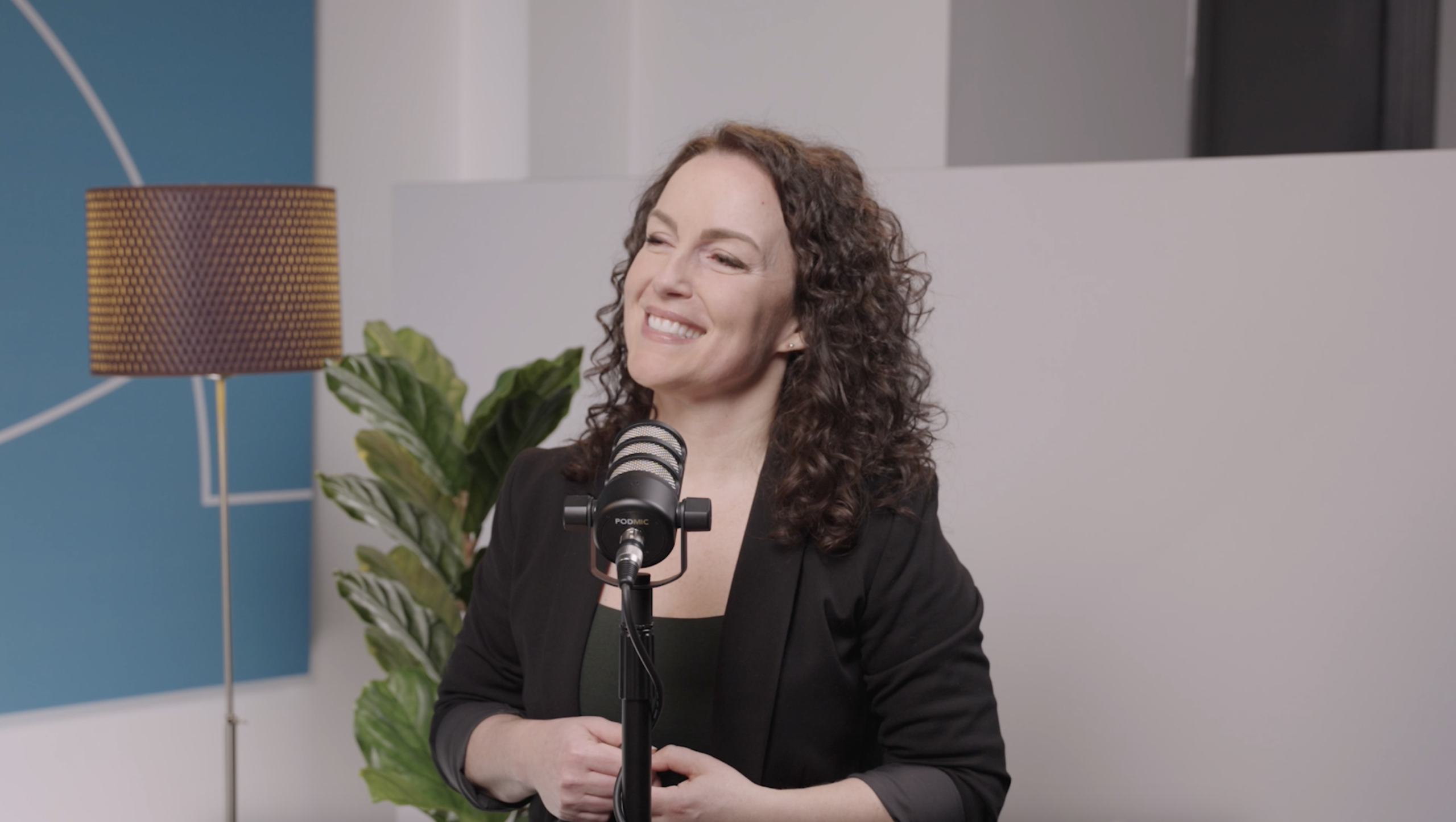
In the latest episode of Humanology on Air, Terri Cameron chats with Travis McDougall and Chelsea Craig about how AI is changing how marketers look at paid and organic search to keep them from falling behind competitors.
Leading Through Change: Marketing in a Disrupted World
In 2026, disruption is constant. Learn how marketing leaders can create clarity, build adaptive cultures, and scale AI while staying human-led.
YouTube: Are we still doing it right?
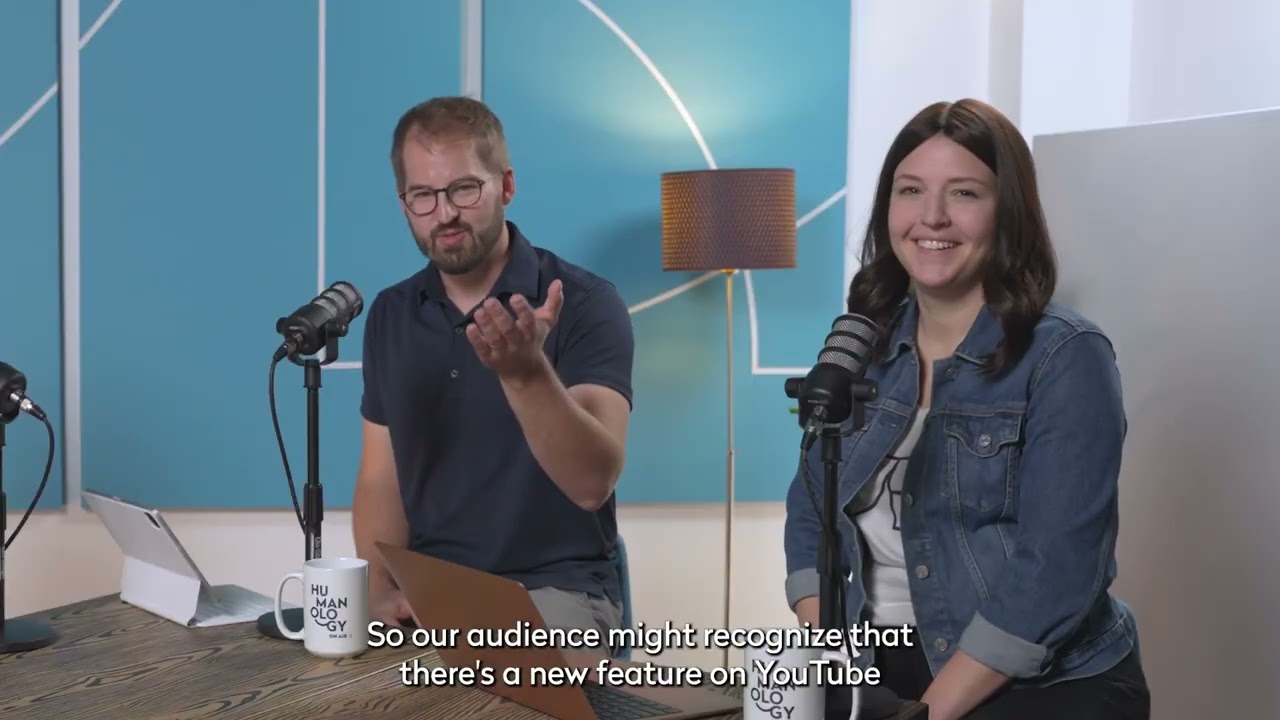
YouTube turns 18 this year. And, like everyone else, it has grown a lot from birth to adulthood. The platform itself has evolved, but so have user expectations for YouTube creators and advertisers. With so much change, the question marketers have is: How do we know if we’re nailing our YouTube strategy?
Never miss a Webinar
Want to sign up for updates, announcements, offers and promotions from Jan Kelley? Simply fill in the form below and we’ll keep you up to date. You may later withdraw your consent at any time. Check out our Privacy Policy.