Define how your brand shows up across multiple avenues, including but not limited to social media, so you can build engagement, strengthen relationships, and create consistent, long-term value.
Get StartedSocial Strategy
- 90%of consumers buy from brands they follow on social
- 78%say social presence increases trust in a brand
- 60%discover new products through social platforms

Turn social activity into a consistent engine for engagement and growth
Without a clear strategy, social becomes inconsistent, content lacks direction, and engagement declines over time. Social strategy creates structure so your brand shows up clearly, consistently, and with purpose across platforms.
We combine audience insight, platform behaviour, and brand direction to define how social should work for your business. This includes platform roles, content systems, and messaging frameworks that guide execution. The result is a focused, scalable approach that builds engagement, strengthens brand presence, and supports long-term performance across channels.
How We Help
-
Clear Role for Organic Social
We define how organic social supports brand visibility, engagement, and long-term demand generation. This ensures it plays a clear role within your growth marketing strategy instead of being treated as an isolated content stream.
-
Alignment with Brand and Creative Direction
We ensure social aligns with your brand strategy and any updated visual identity, translating positioning into how your brand shows up consistently across platforms. These insights build on creative strategy to ensure content reflects your positioning and resonates with your audience.
-
Structured Systems for Consistency and Scale
We develop frameworks for planning, publishing, and refining organic social activity. This creates consistency, improves engagement, and ensures your brand shows up clearly across platforms, reinforcing messaging and supporting broader marketing efforts.
What’s Included
Social strategy turns disconnected organic posts into a clear, consistent approach that improves engagement, relevance, and long-term brand presence across platforms, supporting efforts in SEO & AIO and content distribution.
| Business Challenges | Our Approach & Outcomes |
| Inconsistent presence and messaging across social platforms | Social frameworks that align content, tone, and messaging, improving consistency and brand clarity |
| Low engagement and limited audience interaction | Content strategy based on platform behaviour and audience insights |
| Unclear which platforms to prioritize | Platform strategy that focuses effort on the channels that drive the most impact |
| Organic social not contributing to broader marketing goals | Integration with broader strategy, improving alignment with growth and performance goals |
| Difficulty scaling content production | Structured planning and content systems that support consistent output and efficiency |
| Limited visibility into organic social performance | Performance tracking and optimization frameworks that improve results over time |
See the results
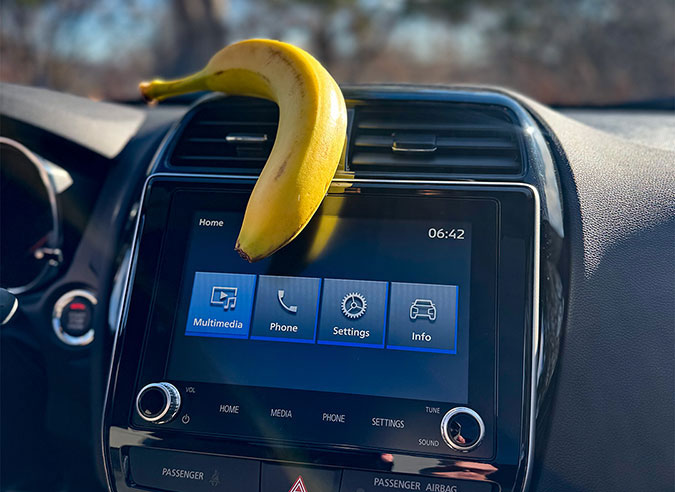
Mitsubishi Motors Canada
Performance Media & Content Strategy
How we helped Mitsubishi Motors Canada appeal to Reddit audiences, with platform-native content.
Read now
Igloo Software
Personalized Content
How an audience-focused digital strategy helped increase leads by 2.5% almost immediately.
Read now
AudienceView - Digital Experience
Digital Transformation
How we helped an online ticketing software company be seen as so much more.
Read nowRelated Posts


FAQs
What is social strategy?
Social strategy defines how your brand uses social platforms to engage audiences, deliver content, and support marketing performance. It provides direction for both organic and paid social efforts.
How is social strategy different from content strategy?
Social strategy focuses on platforms, audience interaction, and performance, while content strategy focuses on what content is created and how it is structured. The two work closely together but serve different roles.
When should we invest in social strategy?
When engagement is low, content feels inconsistent, or social is not contributing to business outcomes. It is also valuable when scaling activity across multiple platforms.
How does organic social strategy differ from paid social?
Organic social focuses on content, engagement, and building relationships over time, while paid social media focuses on targeted reach and immediate performance. Both work together, but organic builds long-term presence and credibility.
Does organic social still matter for growth?
Yes. Organic social builds brand visibility, trust, and ongoing audience engagement. While it may not drive immediate conversions like paid media, it strengthens long-term performance and supports other channels.