Creative is your competitive edge. A strong creative strategy gives your brand a point of view, a personality, and a reason for audiences to choose you. We shape the ideas, design, and messaging systems that make your marketing impossible to ignore across every channel.
Get StartedCreative Strategy

- 93%of consumers skip or ignore ads that feel irrelevant
- 49%of campaign impact is driven by creative quality
- 28% higher business impact comes from consistent creative systems

Turn human insights into creative that performs
We build creative strategies grounded in what makes your brand different — your value proposition and positioning, your audience, your industry, and your competitive landscape. The result: ideas, design, and messaging systems that feel unmistakably yours and work harder across every channel.
How We Help
-
Ideas That Bring Insight to Life
We develop creative concepts that translate audience insight into compelling, memorable ideas. This ensures your marketing is not just clear, but distinctive and engaging, grounded in brand strategy and informed by customer and audience research.
-
Creative Direction Across Look, Feel, and Voice
We define how your brand shows up visually and verbally across channels. This includes the tone, style, and creative expression that make your marketing recognizable and consistent while supporting execution across paid social media and content marketing.
-
Scalable Creative Systems for Performance
We build repeatable creative systems that make it easier to produce, test, and optimize ideas over time. These systems support execution across full-funnel creative and align with media strategy, improving performance and efficiency as campaigns scale.
What’s Included
Creative strategy turns ideas and creative direction into a structured system that improves consistency, engagement, and performance across channels like SEO & AIO and paid media.
| Business Challenges | Our Approach & Outcomes |
| Inconsistent creative across campaigns and channels | Creative frameworks that align messaging and execution, improving consistency and brand clarity |
| Messaging that does not resonate or drive action | Audience-informed messaging strategy that increases engagement and conversion |
| Difficulty translating brand into effective creative | Clear creative direction that connects brand strategy to execution across formats |
| Creative performance that is difficult to measure or improve | Structured testing and optimization frameworks that improve performance over time |
| Lack of alignment between creative and media execution | Creative aligned to channel strategy, improving efficiency and campaign results |
| Challenges scaling creative production effectively | Repeatable systems that support faster production and more scalable output |
See the results

Orkin Canada
Performance Media & Creative
How we helped alleviate pest-related stress for Facility Managers in the commercial sector.
Read now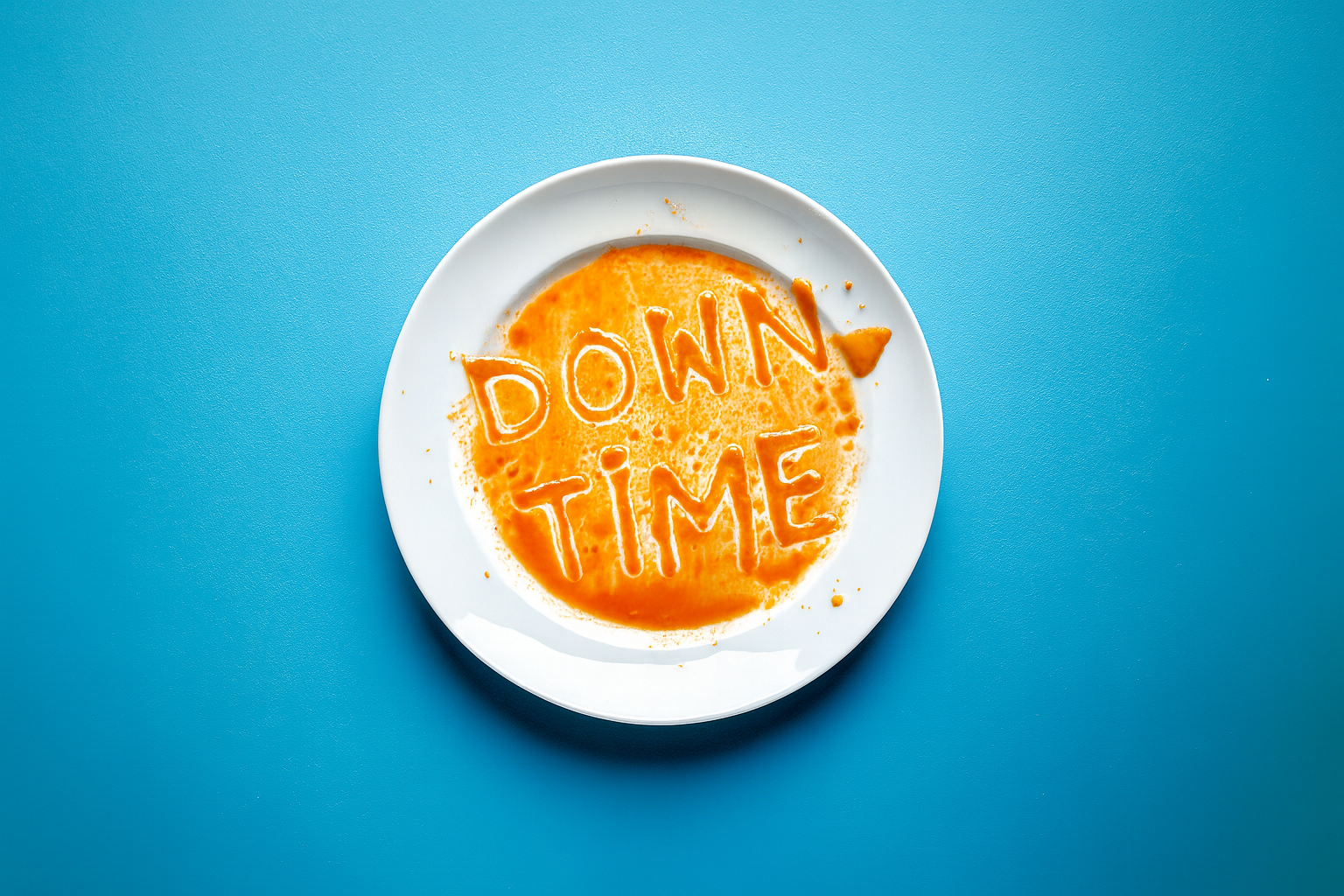
Swish
Performance Media & Creative
How we helped Swish wipe out the ‘dirty words’ that slow operations down.
Read now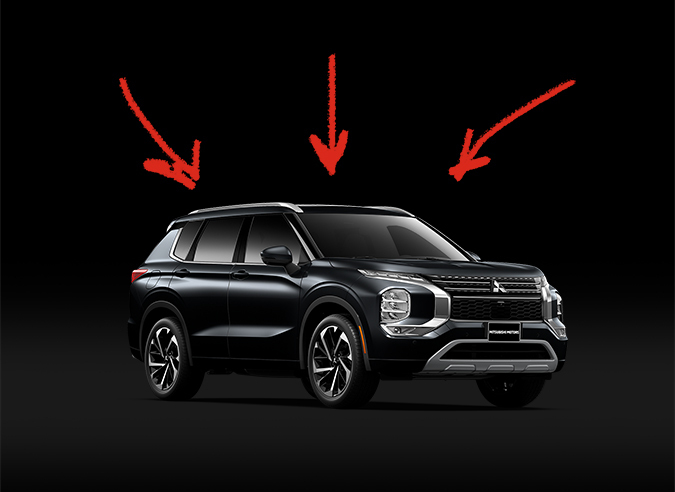
Mitsubishi Motors Canada
Performance Media & Creative
How we helped Mitsubishi Motors change the minds of Canadians.
Read nowRelated Posts

Cracking the Creative Code: Unlocking Full-Funnel Success
In this episode, Terri Cameron, Jan Kelley’s Director of Media Strategy, chats with Kate Petrie, Jan Kelley's Co-Creative Director, about how brands can achieve sustained growth through a full-funnel creative approach.
Watch now
B2B Marketing: Elevate Your Brand Creative
Discover expert tips to stand out in the B2B building materials industry. Learn how creativity can differentiate your brand and engage your audience effectively.
Watch nowFAQs
What is creative strategy?
Creative strategy defines how messaging, ideas, and formats are developed to engage audiences and support marketing performance. It provides direction for how creative should be executed across channels.
How is creative strategy different from brand strategy?
Brand strategy defines positioning and overall messaging, while creative strategy focuses on how that messaging is expressed through ideas, formats, and content across campaigns.
When should we invest in creative strategy?
When creative feels inconsistent, performance is declining, or campaigns are not connecting with the intended audience. It is also valuable when scaling production across channels.
How does creative strategy impact performance?
It improves performance by aligning messaging and formats to audience behaviour and channel expectations, leading to stronger engagement, higher conversion rates, and more efficient campaigns.
What do we receive at the end of the project?
Deliverables typically include messaging frameworks, creative direction, concept territories, and guidelines to support consistent execution across campaigns and channels.