Plan where and how to invest so your marketing reaches the right audience, performs efficiently, and drives consistent, measurable results.
Get StartedMedia Strategy

- 72%of media budgets are wasted on poor targeting and allocation
- 58%of marketers struggle to connect channels into one strategy
- 2Xhigher ROI comes from optimized channel and budget planning

Turn fragmented media spend into efficient, scalable performance
Without a clear media strategy, channels compete for budget, targeting becomes inconsistent, and performance is difficult to scale. Media strategy creates structure so every dollar is invested where it drives the most impact.
We combine audience insight, channel performance data, and business goals to define how channels, targeting, and budget work together. This includes channel roles, investment allocation, and optimization frameworks that guide execution. The result is a coordinated approach that improves efficiency, strengthens performance, and supports scalable growth.
How We Help
-
Channel Strategy and Planning
We define the role each channel plays across the customer journey, ensuring efforts are coordinated and aligned to business objectives across channels like paid social media, display, and SEO & AIO. This creates a connected system where channels support each other and improve overall performance.
-
Smarter Investment and Allocation
We identify where budget will have the greatest impact, helping teams prioritize channels, audiences, and tactics. These insights build on growth marketing strategy and ensure investment decisions are grounded in performance and opportunity across channels like paid search and programmatic advertising.
-
Optimization and Scalability
We create frameworks for testing, measurement, and ongoing optimization so media performance improves over time through structured testing and insights from CRO audits and testing and predictive analytics. This ensures campaigns remain efficient, adaptable, and capable of scaling across both B2B and broader market environments.
What’s Included
Media strategy turns fragmented channel activity into a clear, coordinated approach that improves efficiency, targeting, and overall marketing performance across channels like content marketing and email marketing.
| Business Challenges | Our Approach & Outcomes |
| Unclear which channels to prioritize for performance | Channel strategy that defines roles and priorities, improving efficiency and results |
| Budget spread too thin across multiple channels | Investment allocation that focuses spend on high-impact opportunities |
| Targeting that does not align with audience behaviour | Audience targeting strategy that improves relevance and engagement |
| Channels operating independently without coordination | Integrated media planning that aligns channels across the full customer journey |
| Difficulty improving or scaling campaign performance | Testing and optimization frameworks that support continuous improvement and growth |
| Limited visibility into media effectiveness | Clear measurement models and reporting that improve decision-making and accountability |
See the results
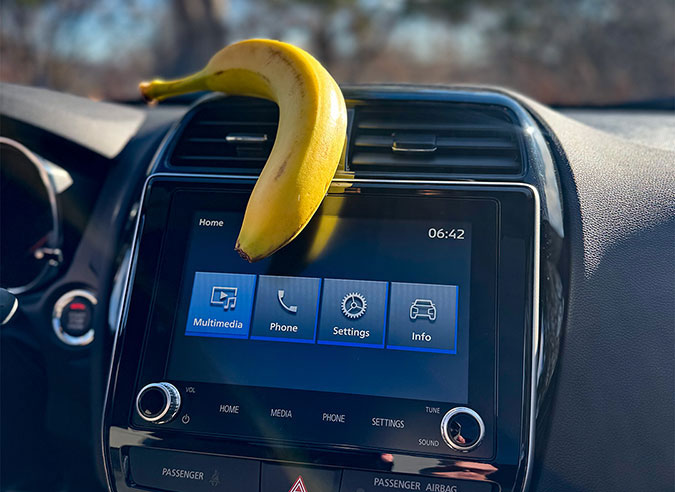
Mitsubishi Motors Canada
Performance Media & Content Strategy
How we helped Mitsubishi Motors Canada appeal to Reddit audiences, with platform-native content.
Read now
Igloo Software
Personalized Content
How an audience-focused digital strategy helped increase leads by 2.5% almost immediately.
Read now
AudienceView - Digital Experience
Digital Transformation
How we helped an online ticketing software company be seen as so much more.
Read nowRelated Posts
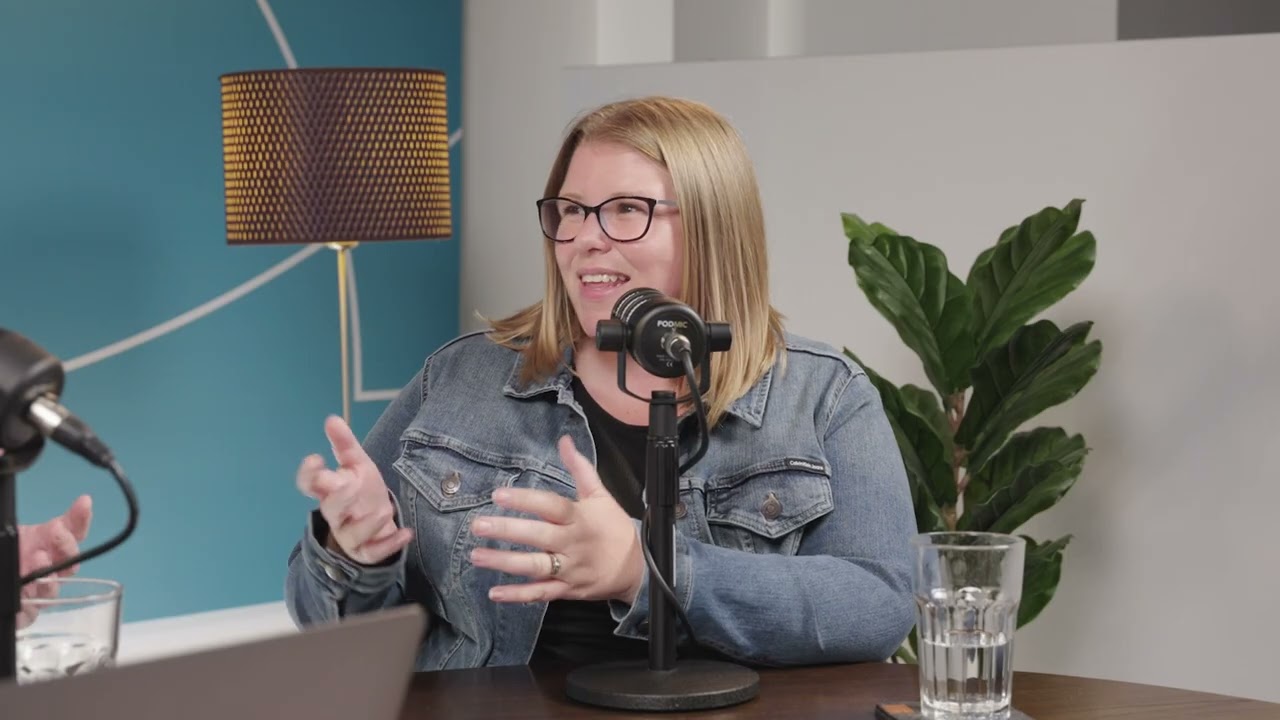
B2B Marketing: Elevate Your Brand Creative
Discover expert tips to stand out in the B2B building materials industry. Learn how creativity can differentiate your brand and engage your audience effectively.
Watch now

FAQs
What is media strategy?
Media strategy defines how channels, audiences, and budget work together to deliver your message efficiently and drive marketing performance.
- Which channels to prioritize and why
- How budget is allocated across channels
- Who to target and when to reach them
- How media supports the full customer journey
Media strategy combines audience insight, performance data, and channel expertise to create a clear plan for how media investment supports business goals.
Without this clarity, spend becomes inefficient, channels like paid search and social media compete instead of working together, and performance is difficult to scale.
How is media strategy different from media buying?
Media strategy focuses on planning and decision-making, including channel selection and budget allocation. Media buying focuses on executing those decisions by purchasing placements and managing campaigns.
When should we invest in media strategy?
When performance is inconsistent, budget allocation is unclear, or channels are not working together effectively. It is also important when scaling investment or launching new campaigns.
How does media strategy connect to creative and growth strategy?
Media strategy ensures creative strategy is delivered through the right channels and supports growth marketing strategy by aligning investment and targeting with overall objectives.
What do we receive at the end of the project?
Deliverables typically include channel plans, audience targeting strategy, budget allocation, testing frameworks, and clear recommendations to guide execution and optimization.